
kinship counseling collective
Mental Health for BIPOC: Healing as Liberation, Therapy as Resistance
Virtual therapy for California residents statewide.
In-person available in the Bay Area & Sonoma County.

Your healing is an act of protest, resistance, and love

“Caring for myself is not self-indulgence, it is self-preservation, and that is an act of political warfare.” – Audre Lorde

Your mental health is not just personal—it is political, cultural, and deeply tied to survival and liberation.
As a Black, Indigenous, or Person of Color (BIPOC), the world often demands your labor, your strength, and your resilience without offering you the space to rest, heal, or simply exist without justification. Therapy isn’t just about managing stress—it’s about reclaiming yourself from systems that were never built with your well-being in mind.
At Kinship Counseling Collective, we understand that mental health for BIPOC individuals exists in a larger societal context—one that has often dismissed, pathologized, or silenced our pain while profiting from our labor and culture. We practice from a decolonized lens, meeting you where you are, honoring your truth, and centering your joy.
These struggles are real. And so is your right to heal.

Living in a world shaped by systemic racism, intergenerational trauma, and daily microaggressions takes a toll on mental, emotional, and physical well-being. The exhaustion of navigating predominantly white spaces, the pressure to code-switch, the anxiety of being “the only one,” and the grief of ancestral and historical wounds all impact our mental health in ways that traditional therapy often fails to acknowledge.
You may be carrying:
Generational trauma lives in your body and shapes how you navigate the world.
Racial battle fatigue from constantly defending, educating, or proving yourself.
The emotional weight of systemic oppression, from workplace discrimination to healthcare inequities.
The burden of perfectionism and overachievement, driven by the unspoken need to work twice as hard for half the recognition.
Guilt and pressure from cultural or familial expectations, balancing your own needs with the needs of your community.


When you don’t have to explain your existence, you can finally begin your healing.
Why Working with a BIPOC Therapist Matters
For many BIPOC individuals, therapy has historically felt inaccessible—or worse, harmful. Mainstream mental health care has often ignored cultural context, weaponized diagnoses against marginalized communities, and upheld the very systems that harm us.
Working with a BIPOC therapist means you don’t have to explain your existence before you can begin your healing. It means:
Being in a space where your lived experience is understood without question.
Healing from internalized oppression, generational trauma, and survival-based coping mechanisms.
Unburdening from the daily assaults to your well-being, knowing you don’t have to justify why it hurts.
Centering joy and rest as radical forms of self-preservation.
Releasing the idea that suffering is the only way forward—learning how to live in fullness, not just survival.
You deserve a therapist who sees you, honors you, and recognizes that your healing is tied to the liberation of your mind, body, and spirit.


Your ancestors dreamed of a world where you didn’t have to fight to exist. Honor them by resting, by healing, by being free.
Who Comes to Us for BIPOC Mental Health Support



Therapy for BIPOC clients in California at Kinship serves people who are done explaining themselves before the healing can begin.
You might be Black — carrying the specific weight of anti-Black racism, generational trauma, and a world that has asked you to be strong in ways that were never sustainable. You might be exhausted by code-switching, by performing safety, by showing up in spaces that take from you without offering anything back.
You might be Indigenous — navigating the particular grief of cultural disconnection, land loss, and the intergenerational impact of colonization. Healing for you may be inseparable from reclamation.
You might be a Person of Color — mixed heritage, immigrant or first-generation, navigating the space between cultures and belonging fully to neither. Carrying family expectations alongside your own needs. Translating yourself constantly, in every direction.
You might be a high-achiever — the first in your family, the one who made it, the one everyone looks to. The success is real. So is the cost.
You might be someone who has tried therapy before with a therapist who didn't get it — who required you to educate them, who minimized racial stress, who treated your identity as peripheral rather than central to the work. You deserve better than that.
You might be someone who never thought therapy was for people like you — because the message you received, directly or indirectly, was that you handle things within your community, within your family, within yourself. That message protected you once. It doesn't have to be the only option now.
You are not here to survive. You are here to heal, to rest, to reclaim what was taken, and to build a life that belongs to you.



Decolonized Mental Health: Meeting You Where You Are
At Kinship Counseling Collective, we approach therapy through a decolonized and anti-oppressive lens, rejecting the idea that healing must fit within rigid Western frameworks. We integrate ancestral wisdom, community-based healing, and holistic practices that acknowledge the wholeness of who you are—your history, your culture, your resilience.
This means:
Your emotions are valid, even when the world gaslights you into thinking otherwise.
You are allowed to rest, without guilt.
You do not have to be strong all the time. Strength also looks like softness, joy, and allowing yourself to be held.
Your mental health is not a luxury—it is essential, necessary, and deeply tied to your liberation.
We practice in California and Oregon, offering virtual therapy to meet you wherever you are—emotionally, mentally, and physically.

To heal is to reclaim the parts of yourself the world tried to erase.
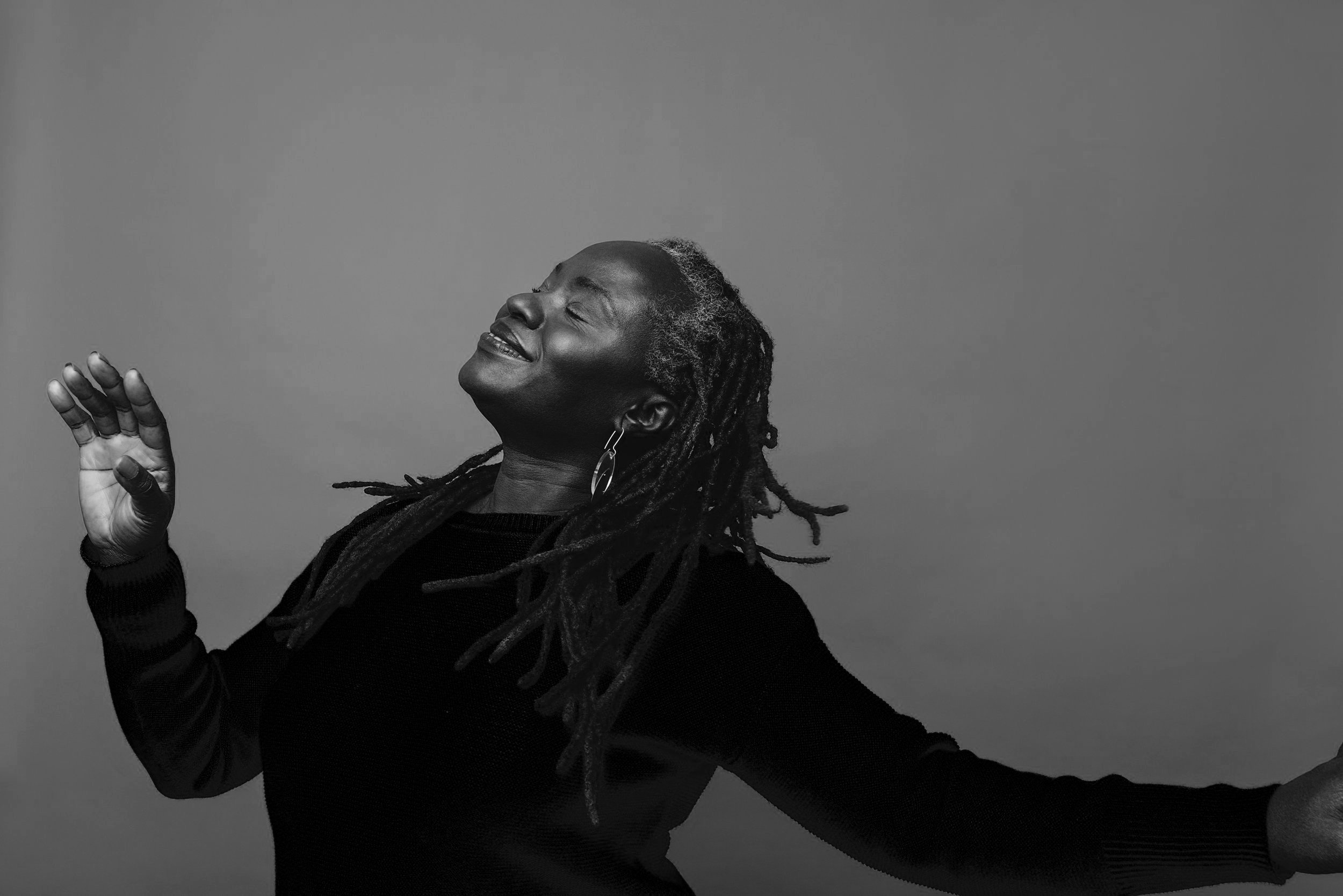
Your Joy Is Revolutionary. Your Healing Is Your Own.
You are not here just to survive—you are here to thrive, to reclaim, to unburden, and to be free. Therapy is not about “fixing” you—because you were never broken. It is about helping you remember who you are, outside of the expectations placed upon you.
This is your space. Your healing. Your liberation.
💬 Schedule a Free Consultation and let’s begin this journey together. You don’t have to carry it all alone. 🖤
FAQs
-
Yes. Mixed-heritage and multiracial clients often navigate a particular kind of complexity — belonging fully to multiple communities and sometimes fully to none. The experience of being questioned about your identity, of not fitting neatly into one category, of translating yourself in every direction, is real and exhausting. Therapy at Kinship holds space for all of that without asking you to choose or simplify who you are.
-
We hear this often. Many BIPOC clients have experienced therapy that required them to educate their therapist, that minimized racial stress, or that treated their identity as something to work around rather than work with. Those experiences are valid — and they don't mean therapy can't be different. At Kinship, your cultural context is not peripheral to the work. It is the work. You deserve a space where you don't have to fight to be understood before the healing can begin.
-
Therapy is more than just a space to talk—it is a space to unburden, to heal, and to reclaim your mental well-being in a world that often demands your resilience but does not always offer care in return. Many BIPOC individuals navigate generational trauma, systemic oppression, racial battle fatigue, and microaggressions that deeply impact mental health. Therapy offers a space where you don’t have to justify your pain, explain your experience, or shrink yourself to be understood.
-
A BIPOC therapist understands the cultural, historical, and systemic factors that shape your experience, allowing you to skip the exhausting explanations and dive straight into healing. Working with someone who shares aspects of your identity means your emotions, struggles, and joy are honored without question. You deserve a therapist who sees you, hears you, and validates your lived experience.
-
A decolonized approach to mental health rejects the idea that healing must fit within rigid Western frameworks. Instead, we integrate ancestral wisdom, community healing, storytelling, and holistic practices that honor your cultural background and lived experiences. We focus on centering your joy, reclaiming your rest, and releasing the belief that your worth is tied to struggle.
-
Therapy provides tools to process racial trauma, reduce anxiety, and navigate oppressive spaces without internalizing harm. It helps you:
Recognize and unlearn internalized oppression.
Develop coping strategies for stress and racial battle fatigue.
Learn to set boundaries in spaces that demand too much of you.
Find ways to experience joy and rest as acts of resistance.
Your mental health is not a luxury—it is essential. Healing is your right.
-
Yes. We offer virtual therapy for BIPOC residents of California statewide, so you can access support from wherever feels safest and most comfortable for you. Oregon telehealth is available with Raquel Wells only.
-
We offer a free 20-minute consultation where you can ask questions, share what's bringing you to therapy, and get a feel for whether Kinship is the right fit. Email us at info@simplykinship.com or click the button below.

Accessible Online Therapy
We offer telehealth sessions to California residents statewide, so you can receive care from wherever feels right. In-person sessions are available in the Bay Area and Sebastopol, Sonoma County. Oregon telehealth is available with Raquel Wells only.

MEET OUR TEAM
About US

Ready to Begin?
Healing starts with connection. Whether you're seeking therapy, clinical supervision, or simply a space where you can feel seen and supported, we’re here to walk alongside you. You don’t have to do this alone. Reach out today, and let’s take the next step together.
